Shure
Shure BLX288/SM58 Dual-Channel Wireless Handheld Microphone System – H11 Band


MSRP
$970.00
PAC price
$769.00 USD
Save
$201.00
compared with MSRP

Shure
PAC price
$769.00 USD
Sennheiser

PAC price
$429.00 USD
Shure


PAC price
$241.00 USD
CAD
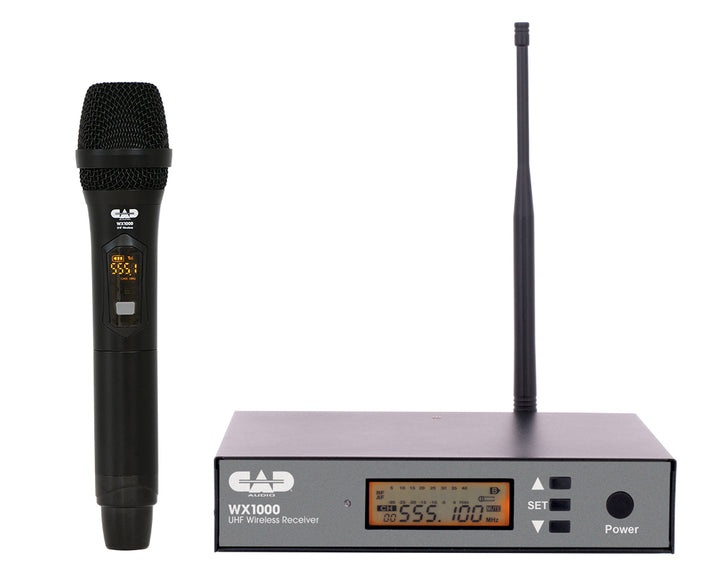 Sold out
PAC price
From$99.99 USD
Select the microphone format first, then verify the exact frequency band, receiver compatibility, simultaneous channel capacity, operating environment, batteries, antennas, and included components.
Handheld systems suit singers and presenters. Lavalier systems support discreet speech. Headsets maintain a consistent mouth-to-mic distance for active presenters and performers. Bodypacks can also support compatible instrument cables.
Check first: Match the microphone style and capsule to the application.
Wireless performance depends on the exact tuning band and the RF environment at the operating location. Confirm that the band is legal and suitable in the United States, then scan and coordinate frequencies at the venue.
Plan for: A frequency band that works in one city may not be the best choice in another.
Each simultaneous transmitter needs a compatible receiver channel on a coordinated frequency. Consider total microphone and IEM channel count, operating distance, antenna placement, distribution, battery runtime, rack space, and future expansion.
Remember: Coordinate the entire wireless inventory as one RF system.
Use the Pro Audio Clinic AI Gear Advisor to compare handheld, lavalier, headset, and instrument systems by band, channel count, range, capsule, battery options, included components, expansion, and budget.
Ask the AI Gear AdvisorFrequently Asked Questions
No. Some listings are complete systems, while others are standalone transmitters, receivers, bodypacks, capsules, or accessories. A transmitter must be compatible with the receiver model and exact tuning band. Check the included-items section before ordering.
The best band depends on the exact model, your location, nearby television and wireless activity, the number of systems, and current U.S. spectrum rules. Confirm the tuning range before purchase and use the manufacturer frequency finder, scanning tools, or coordination software for the operating location.
Yes, when the system supports the required channel count and all frequencies are coordinated. Each simultaneous transmitter normally needs its own receiver channel and separate compatible frequency. The usable channel count varies by product, tuning band, RF environment, and the other wireless systems in use.
Handheld systems are familiar and easy to pass between speakers. Lavalier microphones are discreet for presentations and video. Headsets keep the microphone close to the mouth during movement and can improve level consistency. Choose the capsule and connector for the voice, environment, clothing, movement, and compatible transmitter.
Common causes include frequency conflicts, RF interference, poor antenna placement, blocked line of sight, excessive distance, damaged antenna or RF cables, incorrect distribution, low batteries, and incompatible components. Scan, coordinate, sound-check, and monitor the complete system at the venue.
Yes. Use the Pro Audio Clinic AI Gear Advisor or contact us with the model, tuning band, location, channel count, application, and existing wireless equipment. Final legal use and local frequency availability must follow current FCC rules and manufacturer guidance.
Contact Pro Audio Clinic for help with wireless-system accessories, product availability, quotes, bulk orders, and exclusive promotions.
Contact Pro Audio ClinicHow We Can Help