



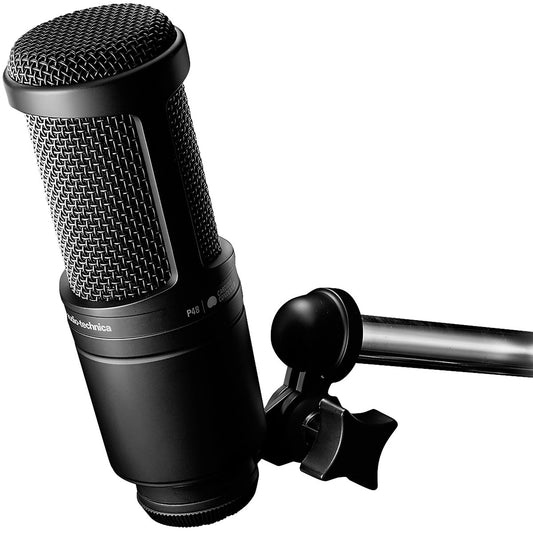
Condenser Microphones
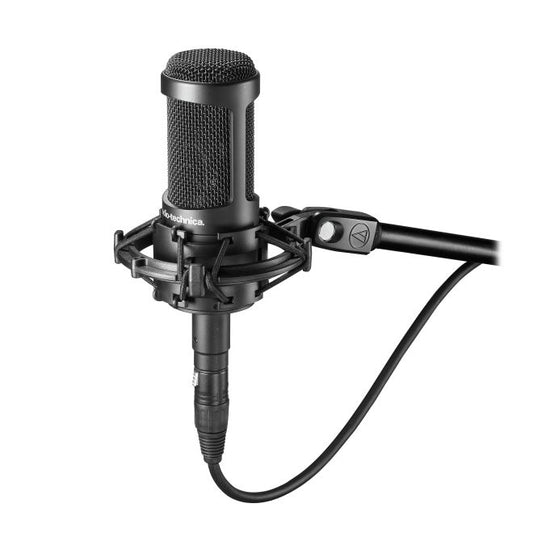
Condenser microphones are a strong choice for studio vocals, acoustic instruments, and voiceover when clarity, detail, and sensitivity matter.
Check first: Most professional XLR models require 48-volt phantom power.

Consider what you are recording, your room conditions, connection and power requirements, and system compatibility before selecting a microphone.
Condenser microphones are a strong choice for studio vocals, acoustic instruments, and voiceover when clarity, detail, and sensitivity matter.
Check first: Most professional XLR models require 48-volt phantom power.
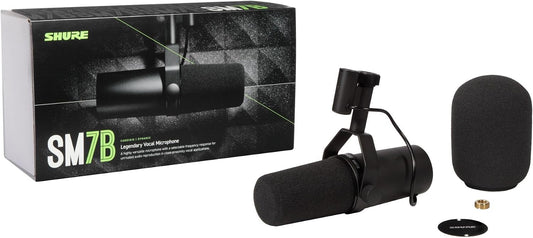
Dynamic microphones are well suited for podcasts, streaming, amplified instruments, live vocals, and untreated rooms.
Why choose one: Durable construction and lower sensitivity can help control surrounding noise.
Use the AI Gear Advisor to compare recording solutions and options.
Ask the AI Gear AdvisorContact for product availability, bulk orders, special promotions, and quotes.
Contact Pro Audio ClinicFrequently Asked Questions
Most professional XLR condenser microphones require 48-volt phantom power. Confirm the microphone requirements and verify that your audio interface, mixer, or microphone preamp can provide phantom power.
Condenser microphones generally capture more detail, while dynamic microphones often provide greater control in untreated rooms or loud environments. The better choice depends on the voice, room acoustics, performance level, and intended use.
An analog XLR microphone normally requires an audio interface, mixer, or compatible microphone preamp. A USB microphone contains its own digital interface and can connect directly to a computer.
Depending on the microphone and application, you may need an XLR cable, microphone stand, boom arm, shock mount, pop filter, windscreen, audio interface, or external microphone preamp.
Yes. Use the Pro Audio Clinic AI Gear Advisor or contact us for product-selection assistance, compatibility guidance, and availability information.